

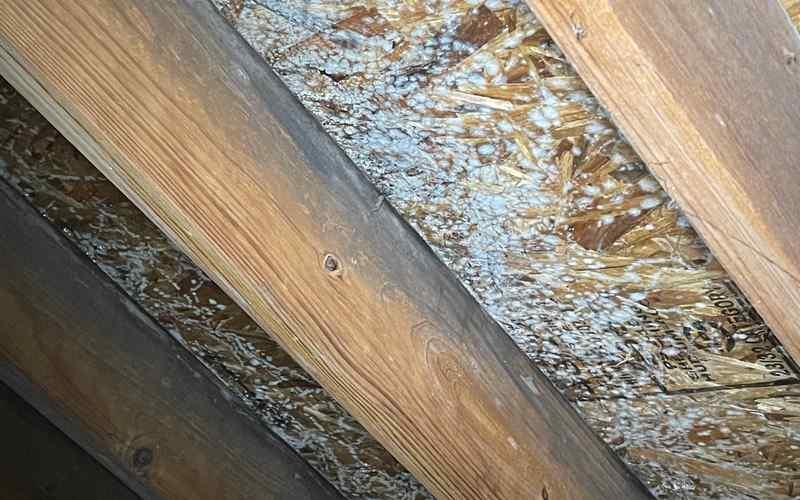
A common issue that many homes deal with is attic mold. Untreated mold can weaken the building’s structural integrity and have an adverse effect on indoor air quality, which could cause health problems for those occupying the space. A number of things, including inadequate insulation, faulty ventilation, and roof leaks, can cause moisture to become trapped in the attic space, which is when this issue typically arises.
In Virginia, attic mold removal is a highly specialized procedure for locating, addressing, and getting rid of mold growth in homes or businesses. In addition to removing the existing mold, professional attic mold removal entails determining the reasons behind the current growth, taking appropriate action to stop it from happening again, and treating the issues. This problem always demands the involvement of Environmental mold control for mold removal due to the severity of the issue.
What Leads to the Development of Mold in the Attic?
A common cause of attic mold is moisture accumulation in a poorly ventilated space. Inadequate ventilation causes condensation and fosters the growth of mold by trapping warm air in the attic. Furthermore, roof leaks are a frequent cause because water that seeps through defective roofing or cracks gathers in the attic and encourages the formation of mold on wood, insulation, and walls.
Improper insulation is another element that can lead to a lot of problems since it can trap moisture and heat. Furthermore, because more moisture in the air can leak into attic spaces and encourage the growth of mold, homes in humid regions are especially vulnerable to attic mold.
What Process is Followed For Mold Attic Removal?
Identifying The Signs
A close inspection will reveal multiple signs of mold growth in the attic. Divisible mold always takes the shape of fuzzy or slimy patches that are either black, green, or white. Additionally, it will give you a really strong and masti order.
Even before the actual growth of the mold is apparent, it can still emit a highly earthy scent. Health symptoms, including headaches, allergic responses, and respiratory problems, can also be very telling.
Mold Inspection and Removal
The primary procedures are mold testing and eradication, which require a high level of skill to be carried out correctly. Before proceeding, it is crucial to conduct a thorough assessment of the mold in the attic.
Testing for air quality can identify any potential health hazards as well as the presence of spores. Various techniques are available to eradicate the mold, contingent on the extent of the infestation. Dry ice blasting is an advanced method that removes molds without inflicting any damage by blasting dry ice pellets onto the surface.
Safety Precautions During Mold Removal
When it comes to mold removal, safety is crucial. Protective suits, respirators, and gloves are examples of personal protective equipment (PPE) that can limit exposure to mold spores. Enclosing the mold-infested region with containment barriers prevents the spores from spreading to other areas of the house.
Utilizing negative air machines or exhaust fans to remove spores from the attic is another crucial aspect of proper ventilation. These safety measures are essential to safeguard the home’s occupants as well as the employees who remove mold.
Preventing Future Mold Growth
Following the completion of the entire process, it is crucial to take precautions to ensure that this problem does not arise again. Actions can drastically lower the chance of mold formation. One of the most efficient ways to improve attic ventilation is to use fans or vents to assist in distributing moisture.
Installing insulation correctly is also crucial since it minimizes any potential temperature imbalances that can cause dampness. These are just a handful of the several steps that can help us maintain a dry and mold-free attic over time.
